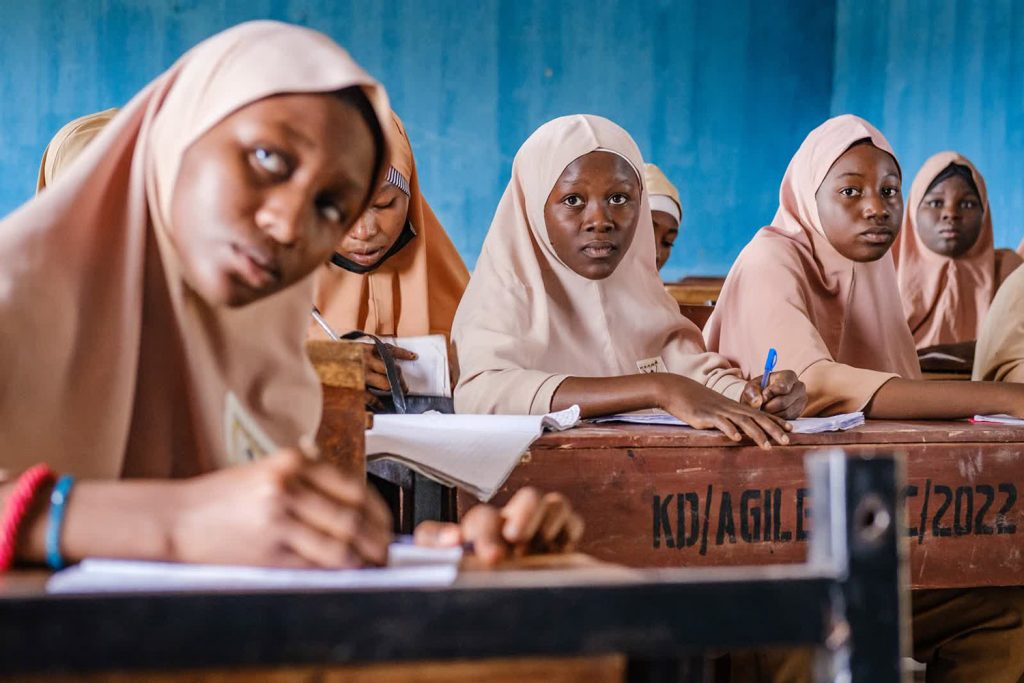
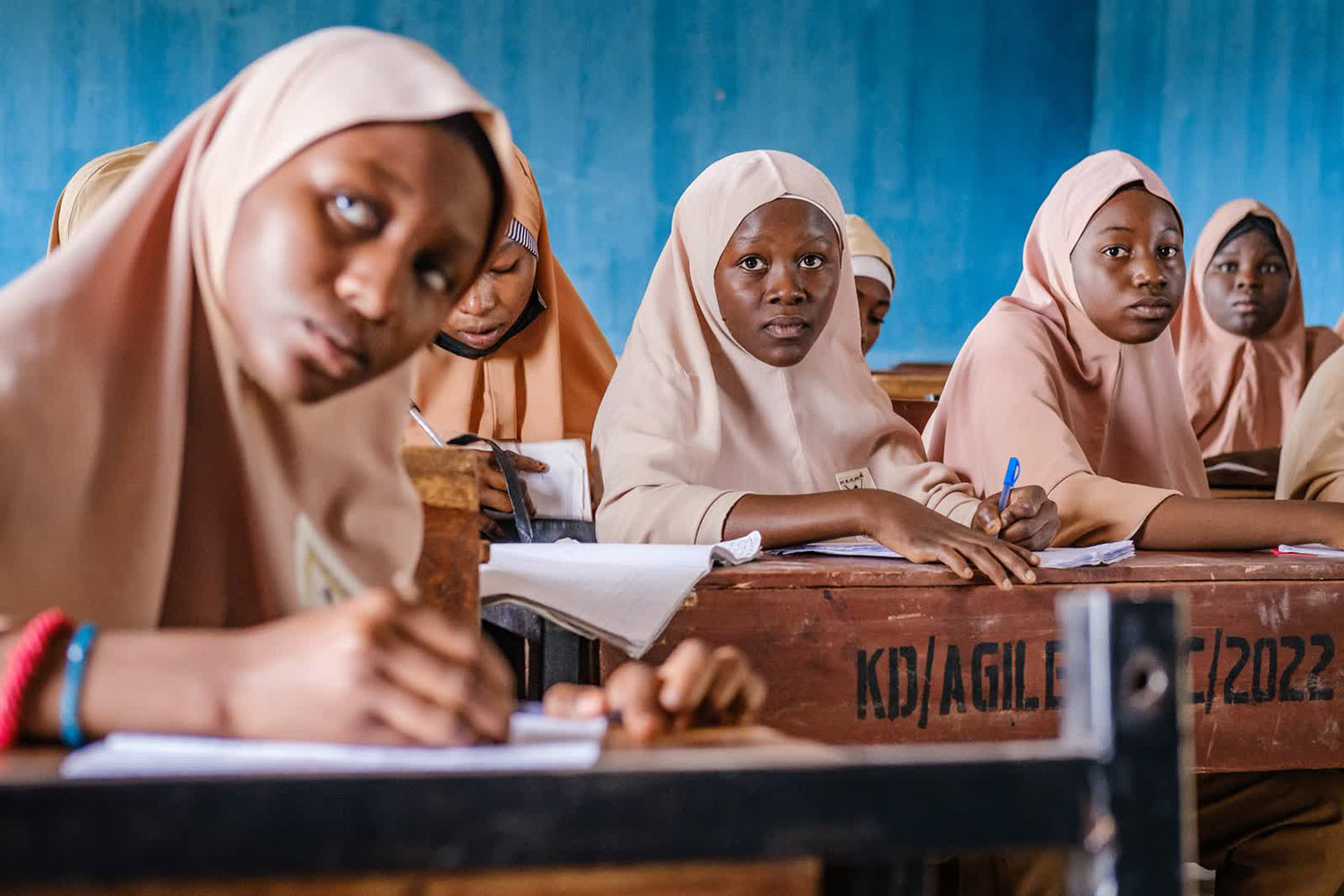
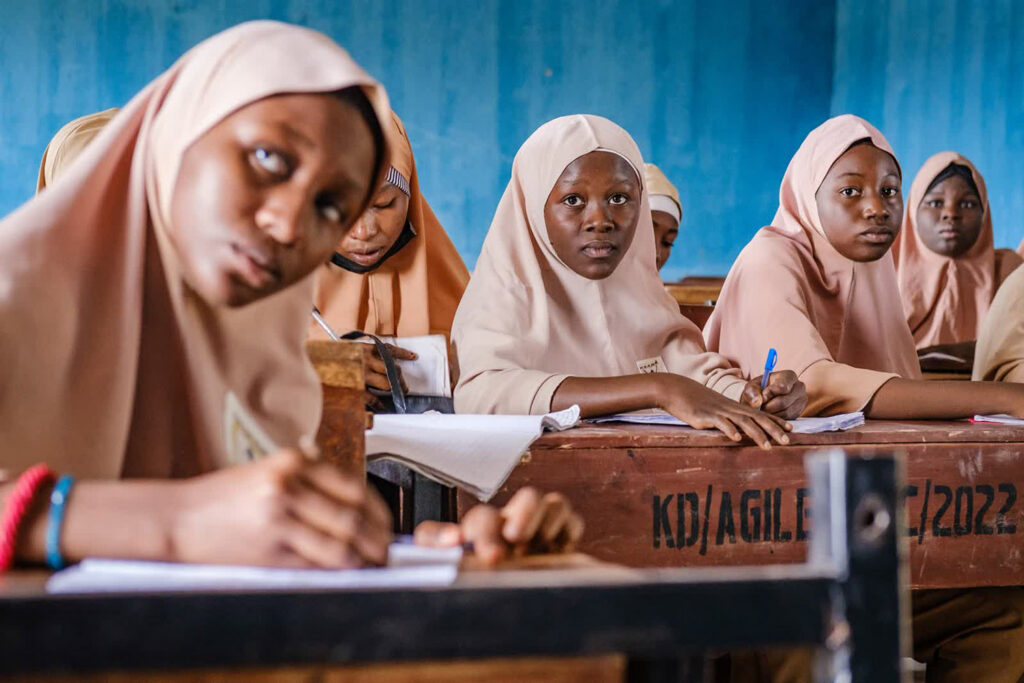
More than 10 million children between 5 and 14 years old are absent from classrooms across Nigeria, according to UNICEF. For girls, the statistics are even bleaker: In states in the northeast and northwest of the country, fewer than half attend school.
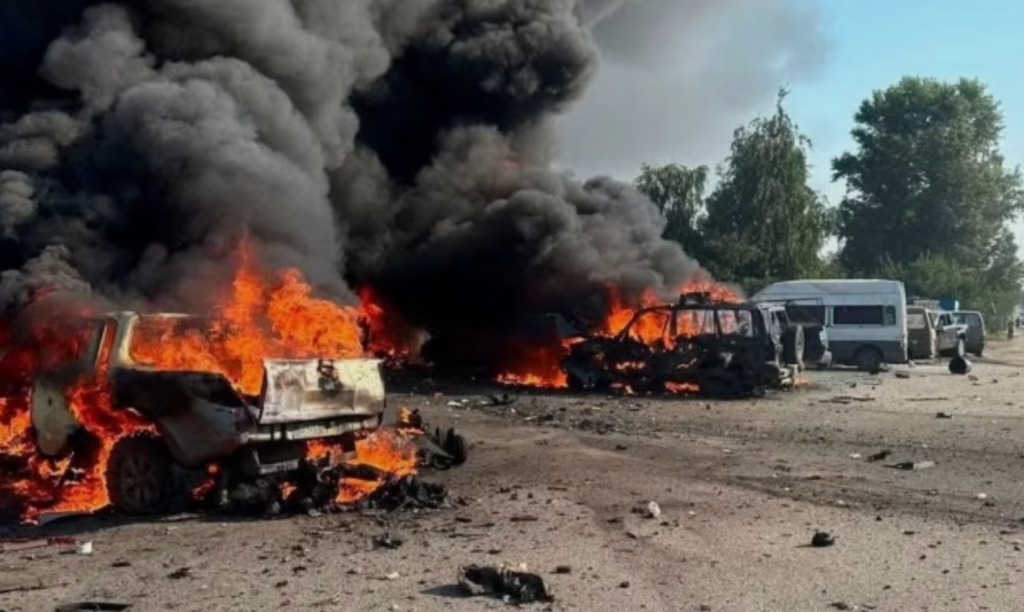
This education crisis is the result of a tangle of factors, including poverty, geography and gender discrimination, the UN agency adds. But against the backdrop of these individual factors is the broader context of the climate crisis.
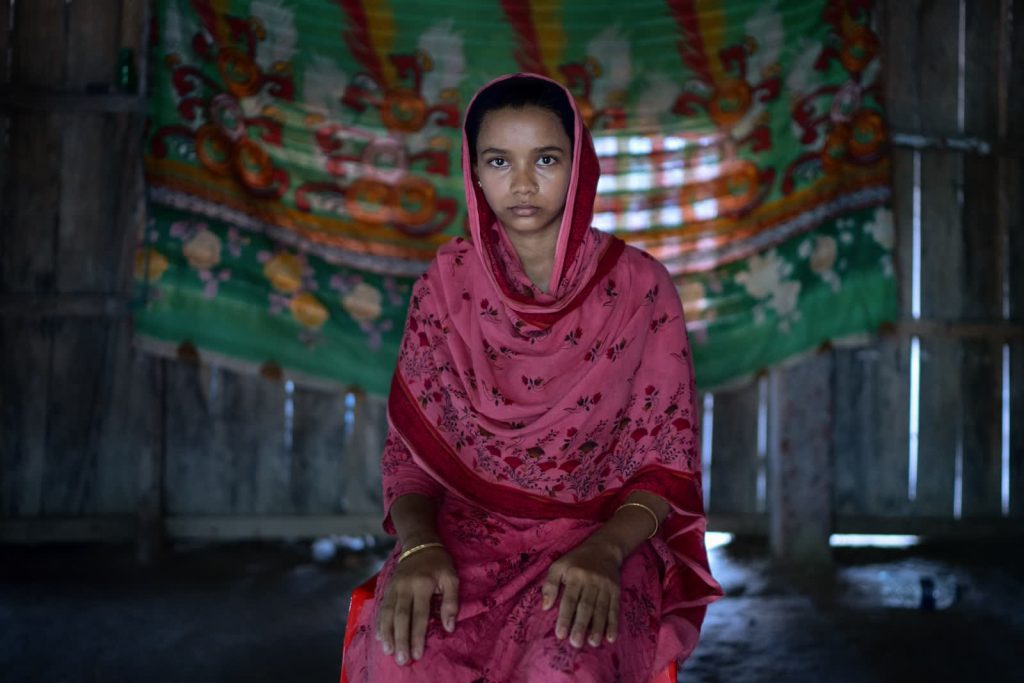
A flooded and eroded area in Zaria, Nigeria. Climate disasters in the region can make schools inaccessible and classrooms unsafe. The Center for Girls’ Education offers training on how to cope with the impacts of extreme weather.Ja’afar sits in the poultry house where she takes classes in Zaria. She says her goal is to own a big poultry pen.Sa’idu displays a notebook in front of her house in Dogon Bauchi, Nigeria.Nuhu sits at home with with her two daughters, 5-year-old Salma and 1-year-old Nabila. She says that during the rainy season, her path to school is blocked by floodwaters: “Sometimes when it overflows, we are left with no other option than to return home and forget about school that day — or we cross it with water reaching our waist.”Ja’afar stands outside her house in Zaria. She says the school she used to attend was far from home, and girls would often be harassed along the route.Since she was 8 years old, Ja’afar has been helping support her family by preparing and selling fish.Nuhu sits in a classroom at her secondary school in Soba, Nigeria. At 22, she bears responsibilities of a wife, a mother and a student. The Center for Girls’ Education has helped her navigate school and her family life. “I chose to go to school because of the passion I have for education and also to support my children to get quality education,” she said. “And even when it comes to interacting with people, an educated person interacts better, and personally I see education as the key to a better life.”Ja’afar dropped out of school when she was 13 due to health issues. She says it was her only option to avoid the long distances she had to walk to attend classes. Years later, with mentorship from the Center for Girls’ Education, she is now enrolled in a vocational program studying poultry farming.Sa’idu, center, attends summer school. When the Center for Girls’ Education surveyed girls about climate change, some interpreted its impacts as retribution for bad behavior. One answered: “I wasn’t a good wife, so my fields got flooded.”Sa’idu leaves her house in Sabon Gari. “My future ambition is to become a medical doctor because we don’t have enough female medical doctors,” she said. “Mostly if you go to our hospitals, you find out that most of the specialist doctors are males.”Mentor Rahmatu Abubakar of the Center for Girls’ Education, center, leads a class in Soba. She runs a program called Married Adolescent Safe Space, which teaches life skills to those who got married young and dropped out of school.Sa’idu and her sisters package tiger nut snacks at their home in Sabon Gari, Nigeria. Sa’idu sells the snacks to make extra money to support her education.

 English